1. The 2-Hour Melt: Why Quality Insulation is the Difference Between Profit and Returns
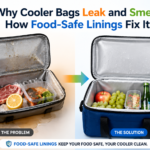
In the competitive landscape of retail, nothing destroys brand equity faster than a product that fails its primary promise. For B2B procurement managers, the promise of a cooler bag is simple: temperature retention. When a consumer finds their lunch soggy or beverages warm after a mere two hours, the product is essentially a failure. This “soggy lunch” problem is not a result of bad design alone; it is a fundamental breakdown of the EPE foam insulation layer. Low-density, thin, or poorly integrated foam fails under the stress of environmental heat, leading to mass returns and lasting reputational damage.
With 26 years of OEM manufacturing at the core, our experience is clear: high-density, expanded polyethylene foam is the only reliable choice for consistent thermal performance. We don’t settle for inconsistent fillers. Our EPE foam provides the structural stability needed to survive diverse climates—from tropical heat to freezing cold—ensuring your product delivers the same high-level insulation, every single time.

1.1 The “Soggy Lunch” Problem: Why Low-Density Foam Fails the Stress Test
Low-density thermal foam isn’t a barrier—it’s a sieve. Due to oversized, unstable air pockets, it fails to block heat, allowing energy to flood your cooler and melt ice prematurely. When your insulation is this porous, your product isn’t a cooler; it’s a leak point for your brand’s reputation. This failure is a hidden liability: it’s often masked in initial product samples, only to surface once your customers test the bag in real-world, high-stress conditions. Don’t let cheap foam compromise your brand’s integrity. A bag that relies on thin, cheap liners creates a thermal bridge, rendering the insulation layer effectively useless within minutes of exposure to direct sunlight.
1.2 Defining Professional Performance: How EPE foam insulation Keeps Margins Cool
Professional performance is measured by the delta between ambient heat and internal temperature maintenance. Our premium EPE polyethylene foam core serves as a robust thermal barrier, drastically slowing heat flux to maintain food-safe temperatures for 8–12 hours. This isn’t just insulation—it’s a trust-building feature. High-performing thermal retention directly reduces return rates and fosters long-term brand loyalty. In the B2B market, this product reliability is your most valuable asset: it ensures your inventory remains a premium, high-margin asset rather than a logistical liability.
2. Material Science 101: Understanding Expanded Polyethylene Foam
2.1 What Is EPE Foam?
EPE foam stands for Expanded Polyethylene foam. It is a lightweight, closed-cell foam material made by expanding polyethylene resin into millions of tiny sealed air bubbles.
Key characteristics:
- Closed-cell structure → does not easily absorb water
- Lightweight but has good cushioning strength
- Good thermal insulation (slows heat transfer)
- Flexible and resistant to impact
- Stable over time (doesn’t easily break down under normal use)
2.2 Molecular Structure: The Closed-Cell Advantage in Insulation
The structural secret behind our professional cooler bags lies in the closed-cell architecture of our expanded polyethylene foam sheet. Performance that doesn’t decay over time. Unlike open-cell alternatives that trap moisture and lead to internal decay, our closed-cell structure locks gas within millions of isolated bubbles. This provides an impenetrable barrier against both thermal conductivity and moisture absorption. This is why our heat insulating foam remains resilient: even when internal condensation occurs, the insulation stays bone-dry and functional, preventing the degradation that ruins inferior bags over time.
2.3 Why EPE Polyethylene Foam is the Industry Standard for Modern Thermal Bags
We engineer our coolers using high-density EPE polyethylene foam—the industry gold standard. Unlike standard foams that compress under load, our core maintains its structural thickness to provide an unbroken thermal barrier. It’s lightweight, durable, and delivers consistent cold-chain management from the first hour to the last. When performance is your brand’s priority, settle for nothing less.

3. The Density Factor: Why “Thicker” Doesn’t Always Mean “Better”
3.1 Analyzing Thermal Foam Density: Striking the Balance Between Weight and Performance
Procurement managers often equate thickness with performance, but density is the true arbiter of thermal efficacy. A high-density 10mm EPE foam sheet consistently outperforms a low-density 20mm sheet. At Aimazing, we prioritize structural density over bulk, delivering superior insulation that is more efficient, more durable, and more space-optimized. High-density foam contains more structural material, which slows down the kinetic transfer of heat. Our engineering team at Aimazing Bag customizes the density of the expanded polyethylene foam based on the intended usage—ranging from short-term urban commutes to long-distance outdoor excursions.
3.2 Impact Resistance: How Density Protects Your Goods During Transport
Beyond temperature, density provides structural protection. A cooler bag must function as a shock absorber for the delicate glass containers or perishables inside. High-density thermally conductive foam (which we engineer to minimize thermal bridging) provides the necessary rigidity to prevent damage from external impact. This dual-purpose utility—temperature control and physical protection—makes our bags a premium choice for global retail.
| Density Grade | Application | Thermal Retention (Summer) | Shock Protection |
| Low | Promotional/Giveaway | 2-4 Hours | Minimal |
| Medium | Urban Commute | 6-8 Hours | Moderate |
| High | Professional/Outdoor | 8-12 Hours | Maximum |

4. Thermal Retention Engineering: Beyond the Insulation Layer
4.1 Heat Transfer Mechanics: Preventing Thermal Bridging in Cooler Design
Thermal bridging is the ‘silent killer’ of cooling efficiency. It occurs when conductive elements like zippers or stitched seams create a path for heat to bypass your insulation. At Aimazing Bag, we neutralize this threat through advanced construction: our seamless welding and precision thermal-taped seams eliminate physical conduction points entirely. By decoupling the exterior from the interior, we create a precision-engineered barrier. This ensures the entire thermal envelope remains hermetically sealed, making the bag virtually impervious to even extreme external environmental fluctuations.
4.2 The Role of Heat Reflection: Pairing EPE with Radiant Barriers
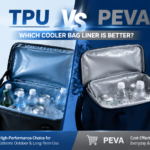
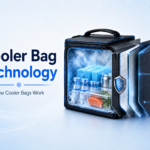
A cooler bag is a three-part system. The outer shell is Water-Resistant Fabric; the core is the Thick High-density Closed-cell EPE Foam; and the interior is AL Film or Heat-Pressed PEVA. This synergy is critical. The internal film acts as a radiant barrier, reflecting internal cold energy back into the bag. This combination creates an “insulation sandwich” that keeps interiors cool for 10-12 hours in winter and 8-10 hours in summer, far exceeding standard industry expectations.

5. From Factory Floor to Consumer: The Manufacturing Edge of Aimazing Bag
5.1 Precision Lamination: Ensuring Perfect Adhesion Between Foam and Liner
Performance failures start at the lamination layer. Quality starts with the bond. Uneven lamination between the heat insulating foam and the liner leads to air bubbles and inevitable thermal failure. At Aimazing, we use a precision lamination process to create a monolithic structure. This integrated bond eliminates internal degradation, ensuring your cooler maintains its peak performance for years—protecting your brand reputation from quality complaints.
5.2 Quality Assurance: Why Our EPE polyethylene foam undergoes 100% stress-testing
Before any product leaves our facility, it undergoes rigorous stress testing. We measure the compression rate, heat retention, and moisture resistance of every batch. This level of quality assurance is why global brands partner with us. We do not merely assemble bags; we engineer solutions that guarantee brand reputation through verified, consistent, and superior thermal performance.
6. Sourcing Intelligence: How to Audit Your Cooler Bag Manufacturer
6.1 Asking the Right Questions: Density, Cell Structure, and Certification
When auditing a factory, skip the superficial questions. Ask about cell structure and density standards. A true expert will provide certification for their EPE foam insulation and explain how their lamination process prevents delamination. Transparency is the hallmark of a Tier 1 supplier.
6.2 Scaling Your Brand: Why Premium Insulation Drives Repeat Retail Sales
Repeat sales are driven by consumer confidence. When a customer uses a cooler bag that actually performs, they return to the brand. Premium insulation is not an added cost; it is an investment in customer acquisition. By sourcing high-density thermally conductive foam (engineered to be the opposite—thermally resistive), you build a legacy of quality.
7. Conclusion: Engineering the Future of Cold-Chain Sourcing
7.1 The Competitive Edge: Investing in High-Density Insulation
Investing in superior insulation is the most effective way to separate your brand from the mass-market clutter. High-performance heat conductive foam (which we expertly counteract with high-density EPE) serves as the engine of your cooler bag’s value. Your customers demand performance, and high-density EPE is the answer.
7.2 Partner with Aimazing Bag for Professional Thermal Solutions
Your brand’s reputation relies on the performance of your cold-chain logistics. Don’t settle for substandard insulation. Contact our technical team at Aimazing Bag today to receive a comprehensive density test report and a custom prototype that proves the science of our thermal engineering.