 Skip to content
Custom Bag Fabrics Built Around Your Product Requirements
Choosing a fabric for a custom bag is not only about appearance.
The material affects the bag’s weight, structure, durability, hand feel, water resistance, cleaning requirements, branding possibilities and target cost. A fabric that works well for a lightweight promotional tote may not be suitable for a travel backpack, cooler bag or protective carrying case.
At Aimazing Bag, we help brands, wholesalers and sourcing teams evaluate fabric options according to the actual product application rather than simply choosing from a material list.
Whether you already have a material specification or only have a bag concept, we can help you narrow down suitable options for your custom bag project.
How Do You Choose the Right Fabric for a Custom Bag?
Start with the product — not the fabric name.
Before selecting a material, consider these six factors:
1. Bag Application
Where and how will the bag be used?
Daily commuting, outdoor travel, food storage, retail packaging, fashion accessories and protective storage all require different material characteristics.
2. Structure & Hand Feel
Do you need a soft, foldable bag or a structured product that keeps its shape?
Fabric weight, thickness, coating and construction all influence the final silhouette.
3. Durability Requirements
Consider abrasion, tearing, repeated opening, carrying weight and everyday wear.
A heavy-duty travel bag normally requires a different material specification from a lightweight promotional tote.
4. Water & Environmental Exposure
Some projects only need basic water resistance, while others require more specialized material or construction solutions.
The outer fabric is only one part of the system — seams, coatings, linings and closures also influence overall performance.
5. Brand Positioning
Material selection affects how customers perceive the finished product.
Canvas creates a very different visual and tactile experience from nylon, PU leather, velvet, transparent TPU or woven materials.
6. Target Cost
Material cost can significantly affect the final unit price.
For B2B development, the best fabric is usually the one that achieves the required performance and brand positioning within a realistic production budget.
Explore Our Custom Bag Material Options
Instead of treating every fabric as interchangeable, we organize material options according to their typical role in bag development.
Durable Woven Fabrics for Everyday & Travel Bags
Polyester
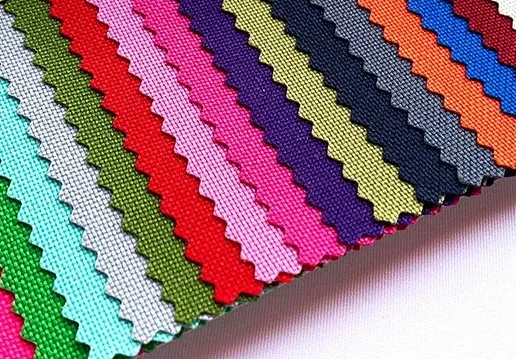
Polyester is one of the most versatile materials used in bag manufacturing because it provides a practical balance between durability, weight and cost.
Common specifications include:
210D / 300D / 420D / 600D / 900D / 1200D / 1680D / 1800D
Depending on the construction and finish, polyester can be used for:
Backpacks, travel bags, laptop bags, duffel bags, cooler bags, tool bags, storage bags, messenger bags and drawstring bags.
For projects where cost control and broad design flexibility are important, polyester is often a practical starting point.
Nylon
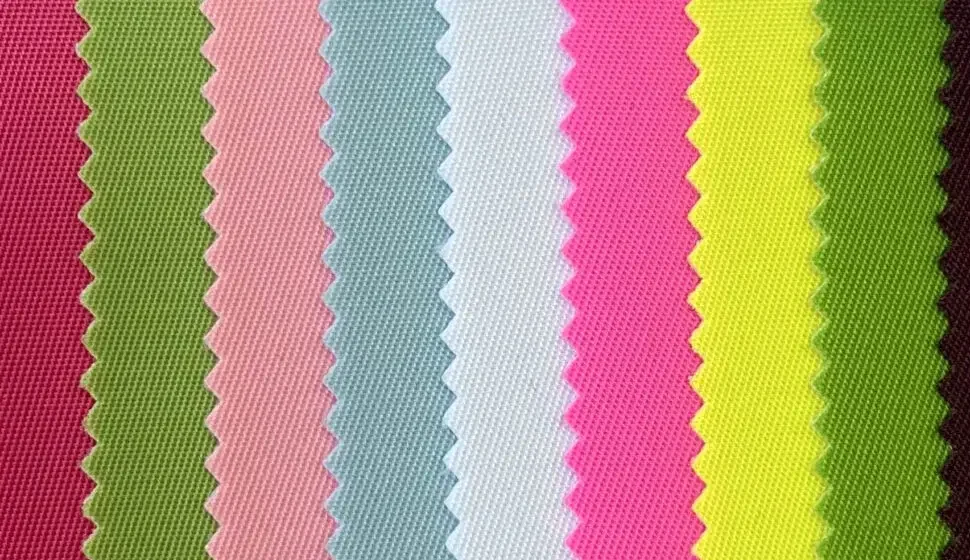
Nylon is commonly selected when a project requires a lightweight fabric with good flexibility, abrasion resistance and tear resistance.
It is particularly suitable for products that need to remain comfortable to carry without creating excessive bulk.
Typical applications include:
Outdoor bags, lightweight backpacks, travel bags, water-resistant carrying bags, pouches and performance-oriented accessories.
Compared with standard polyester Oxford fabrics, nylon generally sits at a higher material cost level, so the decision should be based on the performance requirements of the project.
Natural & Tactile Materials
Cotton / Canvas
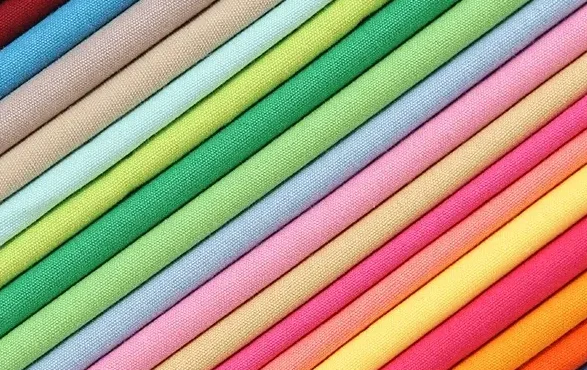
Canvas gives bags a natural, substantial and recognizable textile appearance.
Different fabric weights can be selected depending on the required structure. Options commonly used in bag development include:
8 oz / 10 oz / 12 oz / 14 oz / 16 oz
Canvas works particularly well for:
Tote bags, backpacks, grocery bags, beach bags, cosmetic bags, wine totes, messenger bags, crossbody bags and casual lifestyle collections.
Lighter constructions create softer products, while heavier canvas can provide a more structured feel.
Jute / Burlap
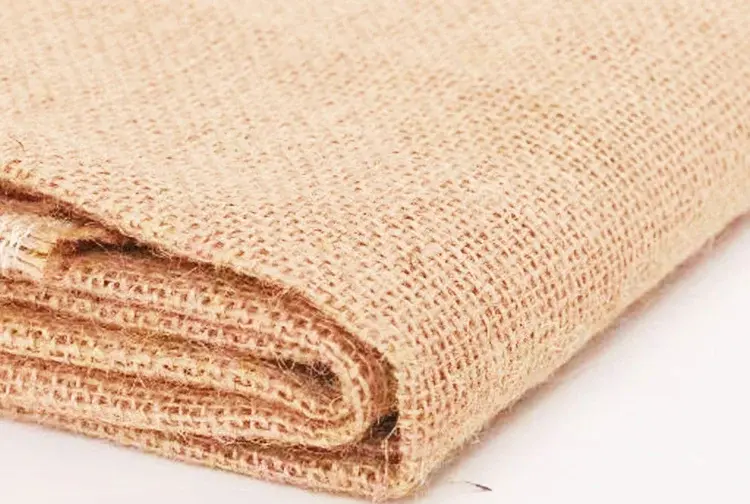
Jute and burlap create a natural, rustic appearance that works well for brands looking for a distinctive organic texture.
Their breathable construction and recognizable fiber appearance make them suitable for selected:
Gift bags, shopping bags, wine bags, promotional bags and lifestyle packaging concepts.
Because the visual character of jute is very different from conventional synthetic fabrics, it is often selected as much for brand presentation as for function.
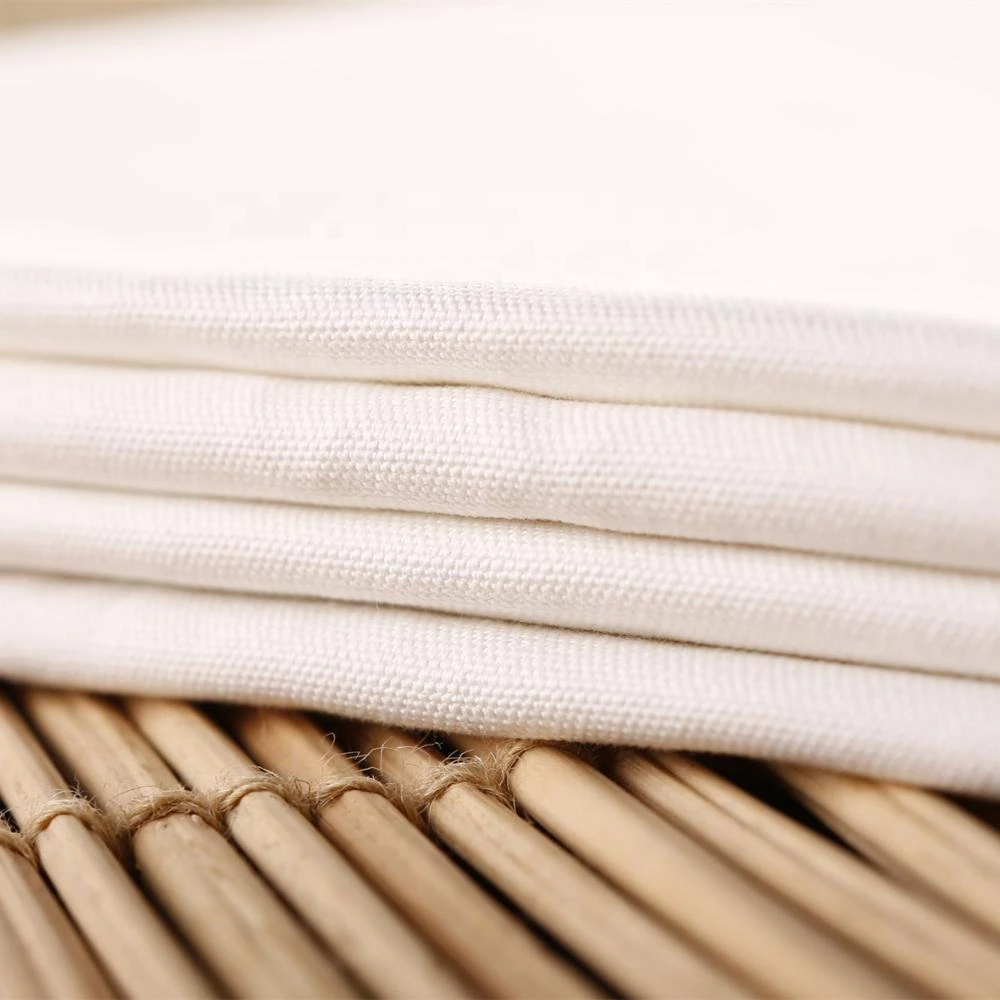
Hemp Fabric
Hemp-based textiles provide a naturally textured appearance and are suitable for brands developing outdoor, casual or sustainability-focused collections.
Depending on the weave and blend, hemp can be considered for:
Tote bags, lifestyle bags, minimalist designs, casual backpacks and retro-inspired products.
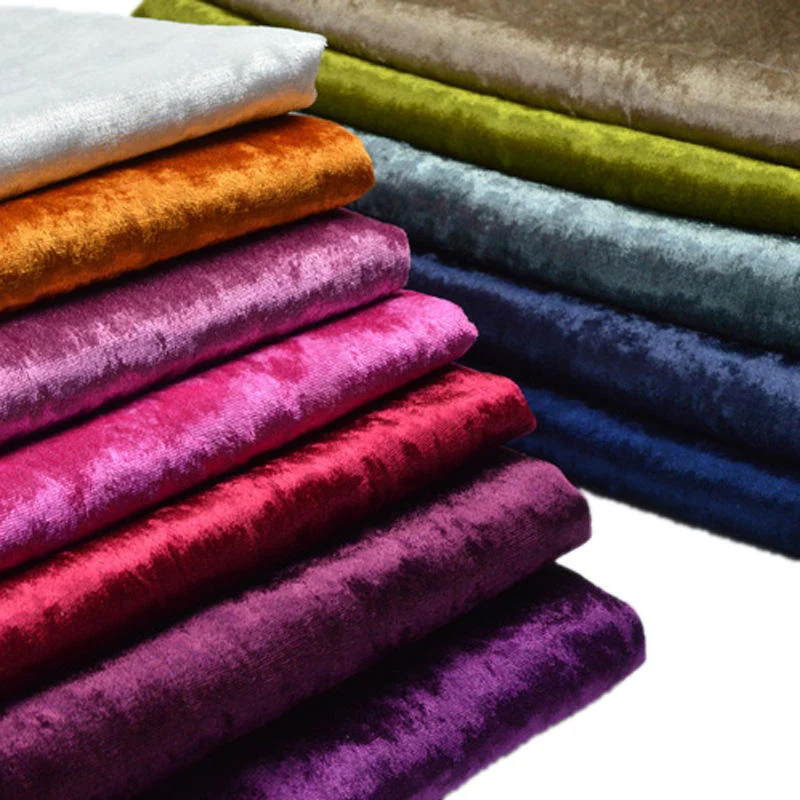
Velvet
Velvet is mainly selected for its soft surface and distinctive visual depth.
Its tactile character makes it suitable for fashion-oriented products such as:
Handbags, cosmetic bags, jewelry pouches, evening bags and premium gift packaging.
Rather than being chosen for rugged outdoor performance, velvet is usually selected when appearance and touch are key parts of the product experience.
Transparent, Coated & Flexible Materials
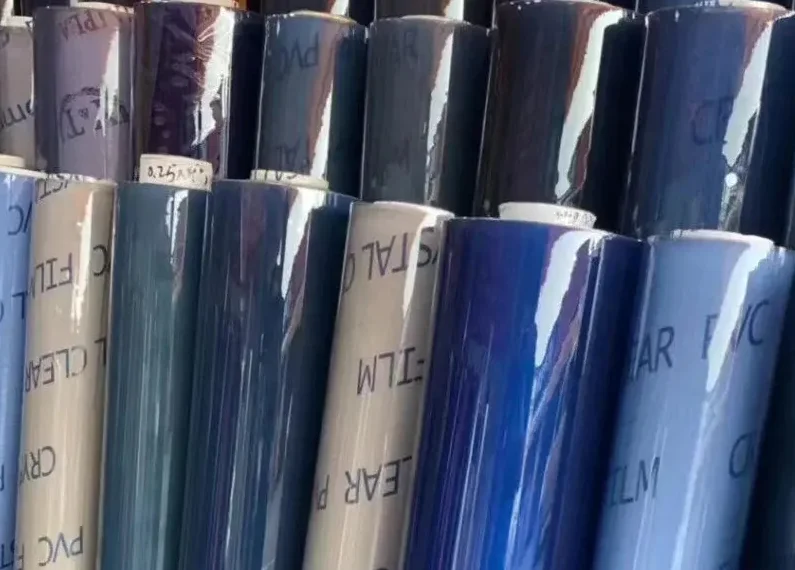
PVC
PVC (Polyvinyl Chloride)
is widely used where transparency, easy cleaning and cost efficiency are important.
Available thicknesses can range approximately from:
0.05 mm to 0.5 mm
Depending on the product structure, PVC can be used for:
Clear cosmetic bags, organizer pouches, packaging bags, beach accessories, storage bags and transparent travel products.
It is often considered for projects where visibility of the contents is part of the product design.
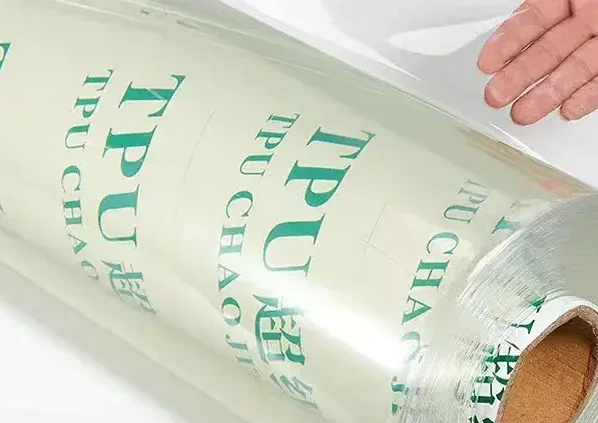
TPU
TPU (thermoplastic polyurethane)
combines flexibility with good abrasion and water resistance and can be supplied in different visual finishes, including transparent, matte and textured surfaces.
Thickness options used in different applications may include:
0.01 / 0.05 / 0.1 / 0.2 / 0.3 / 0.5 mm
TPU is generally positioned above standard PVC in material cost and can be considered for higher-specification transparent or flexible bag projects.
EVA
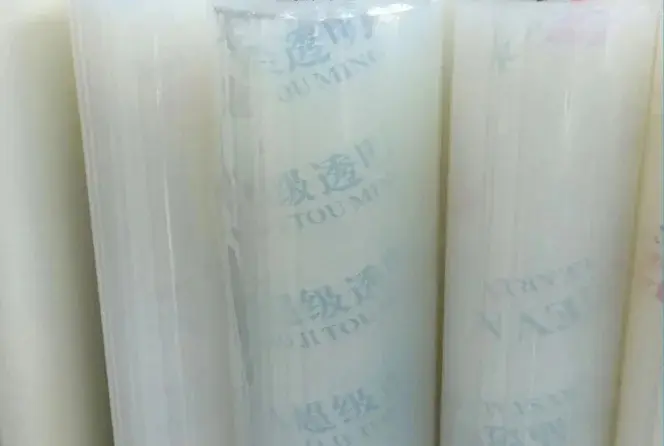
EVA provides a lightweight and flexible structure and is frequently used where visibility, cushioning or water resistance is needed.
Transparent EVA can create a clean, modern appearance for:
Cosmetic bags, storage pouches, travel organizers and selected protective products.
Its material cost is generally higher than basic PVC alternatives.
Leather-Look & Premium Materials
Genuine Leather
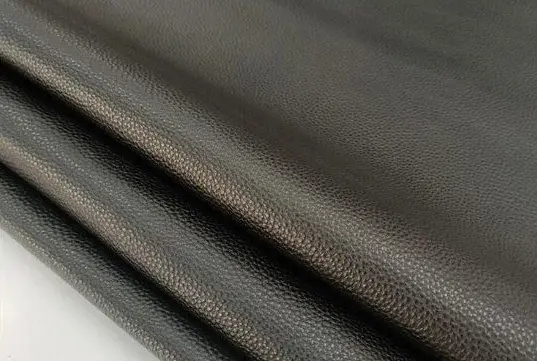
Genuine leather provides a natural grain, distinctive hand feel and premium appearance.
Its combination of softness, strength and wear resistance makes it suitable for:
Handbags, briefcases, travel accessories, wallets, crossbody bags and other premium product lines.
Because both material cost and processing requirements are higher than many synthetic alternatives, genuine leather is normally selected for products positioned in higher-value market segments.

PU Leather
PU leather ( Polyurethane) provides a leather-like appearance while offering greater flexibility in color, texture and cost.
It can be used for:
Fashion handbags, laptop totes, cosmetic bags, crossbody bags, travel accessories and lifestyle collections.
For brands seeking a polished visual finish without using genuine leather, PU provides a broad range of development possibilities.
Protective & Technical Material Options
Neoprene
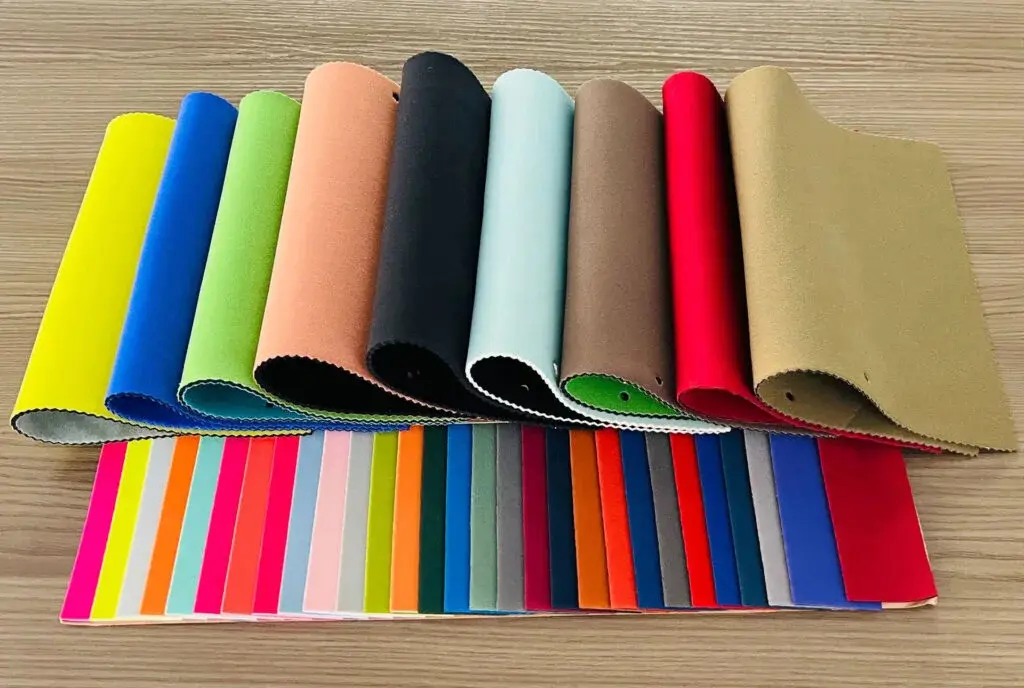
Neoprene — including SBR, SCR and CR constructions — is known for its flexible, cushioning and thermal characteristics.
These properties make it useful for products such as:
Laptop sleeves, protective pouches, bottle holders, soft carrying cases, insulated accessories and selected travel bags.
Its broader use in diving, protective and thermal products also reflects the material’s ability to combine flexibility with cushioning.
Fiberglass
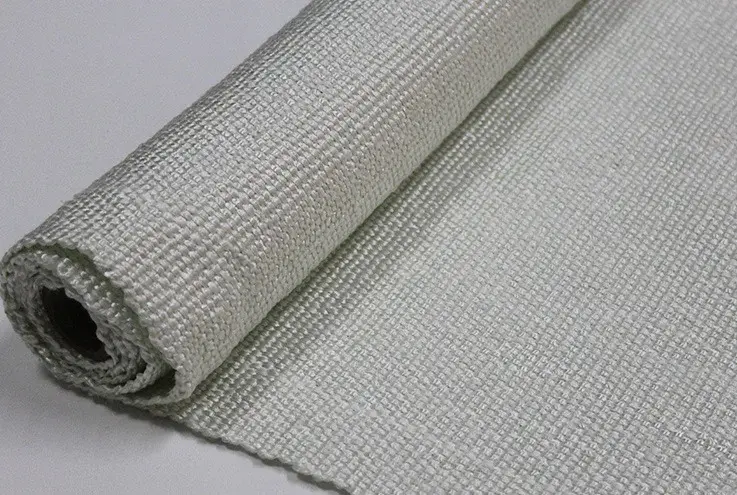
Fiberglass-based materials are selected for specialized applications requiring resistance to heat, chemicals or demanding environmental conditions.
They are commonly associated with products such as:
Fire-resistant document bags, battery storage bags, heat-protection pouches and other specialized protective storage products.
For these applications, material selection must be considered together with the complete product structure rather than evaluating only the exterior layer.
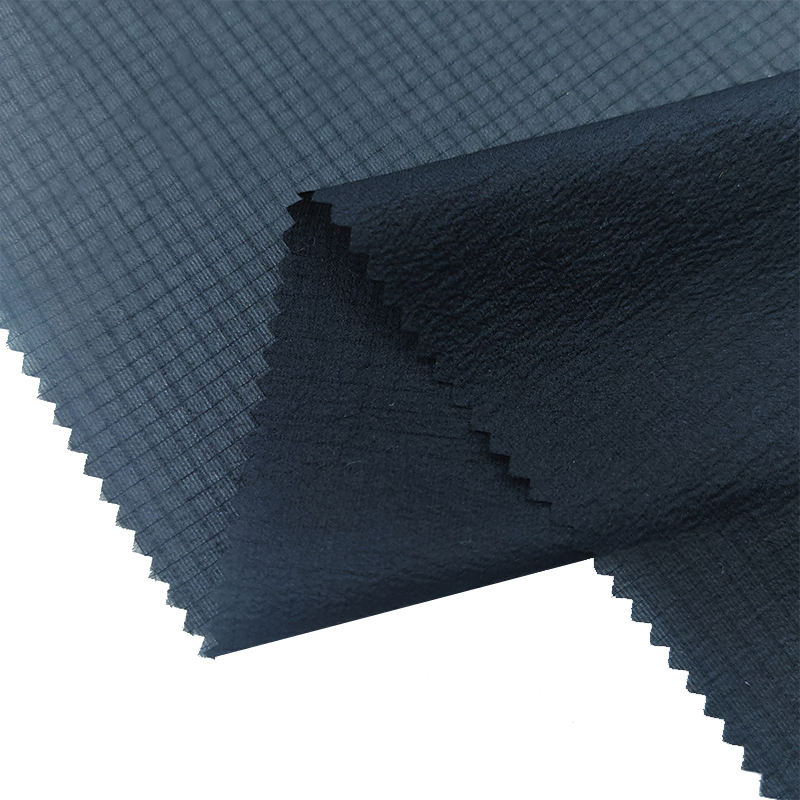
PFAS-Free Fabric
For projects where PFAS restrictions or brand sustainability requirements are important, PFAS-free material and treatment options can be considered during product development.
Potential applications include:
Children’s bags, maternity products, food-storage bags, commuting bags and other consumer products where material compliance is a priority.
The appropriate solution should be selected according to the target market, required performance and applicable testing requirements.
Recycled & Alternative Materials
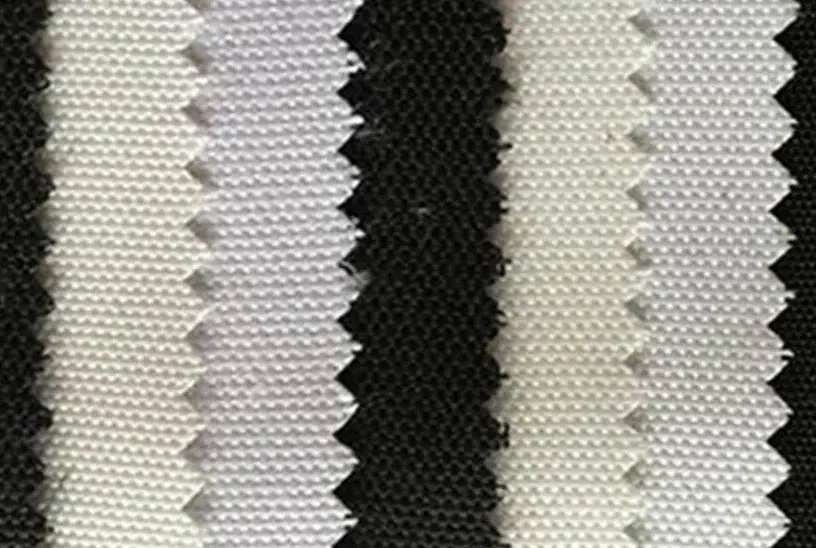
RPET
RPET — recycled polyethylene terephthalate — is produced using recycled PET feedstock and is increasingly used in bag collections where recycled material content is part of the product strategy.
It can be considered for:
Backpacks, travel bags, shopping bags, cooler bags, laptop bags and everyday accessories.
For B2B projects, recycled material claims should also be considered together with the documentation or certification requirements of the target market.
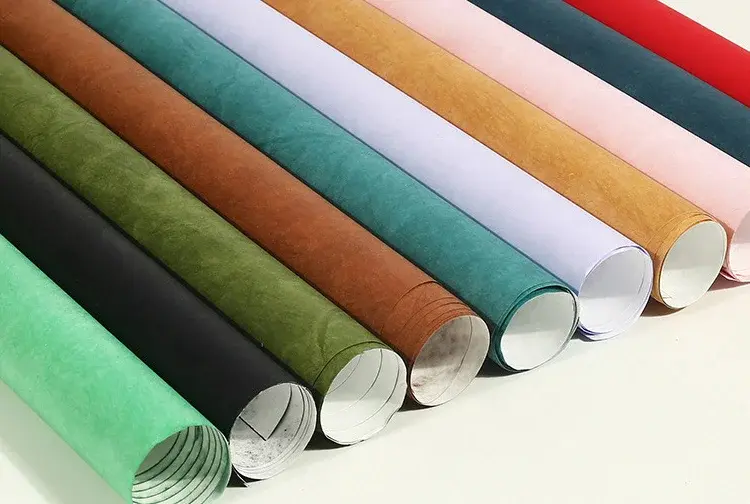
Tyvek
Tyvek is recognized for combining very low weight with good strength and water resistance.
Its distinctive paper-like appearance creates a different design language from conventional woven fabrics.
Possible applications include:
Tote bags, backpacks, foldable bags, crossbody bags, wallets, card holders, pouches, wine bags and lunch bags.
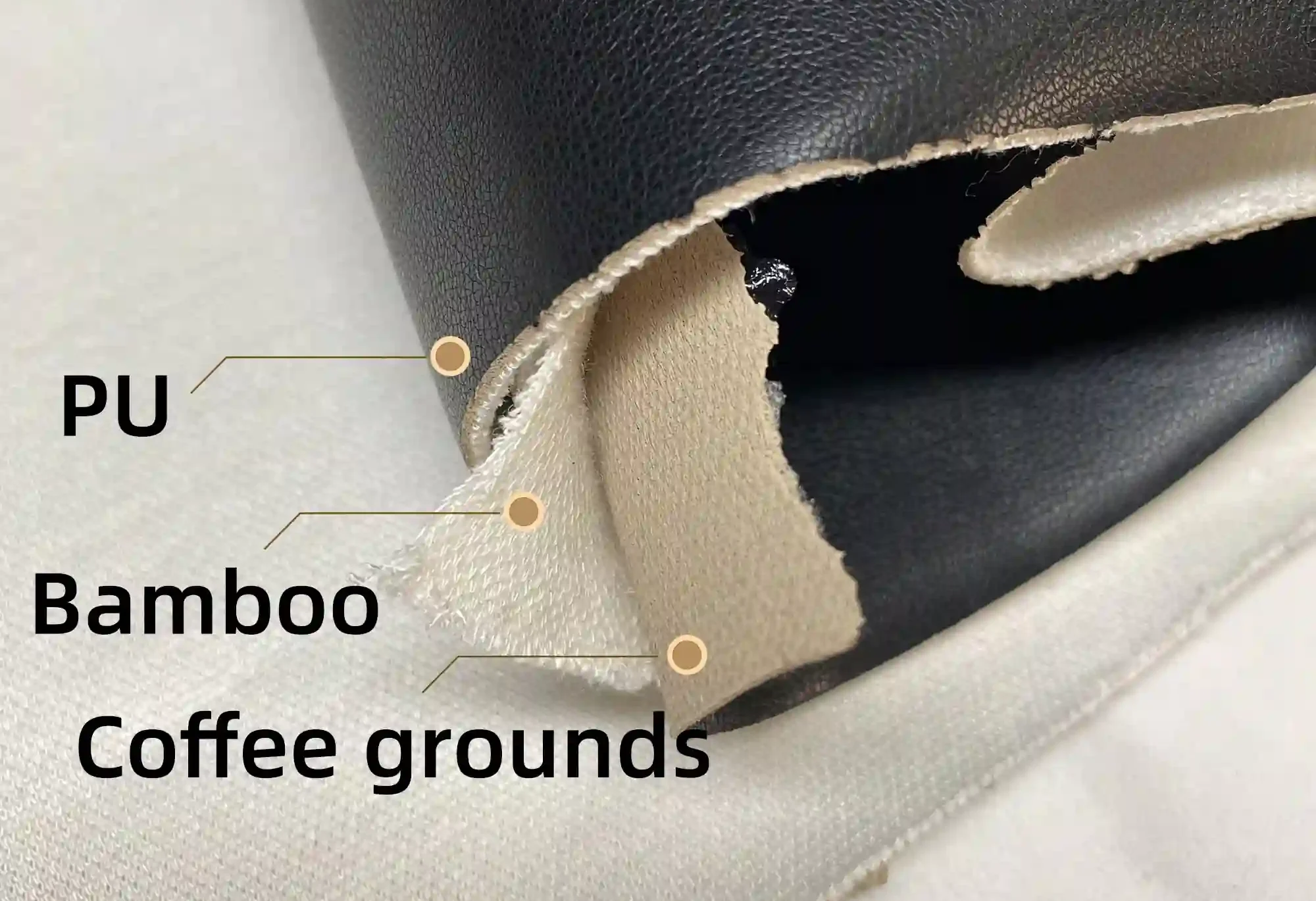
Bio-based Fabric
Bio-based materials may incorporate renewable feedstocks derived from sources such as corn, apple, pineapple, bamboo or wheat.
Depending on the specific fiber composition and construction, they can be explored for:
Eco-oriented bags, maternity products, baby bags, minimalist lifestyle products and specialty fashion collections.
Material composition and environmental claims should always be confirmed for the specific fabric selected for production.
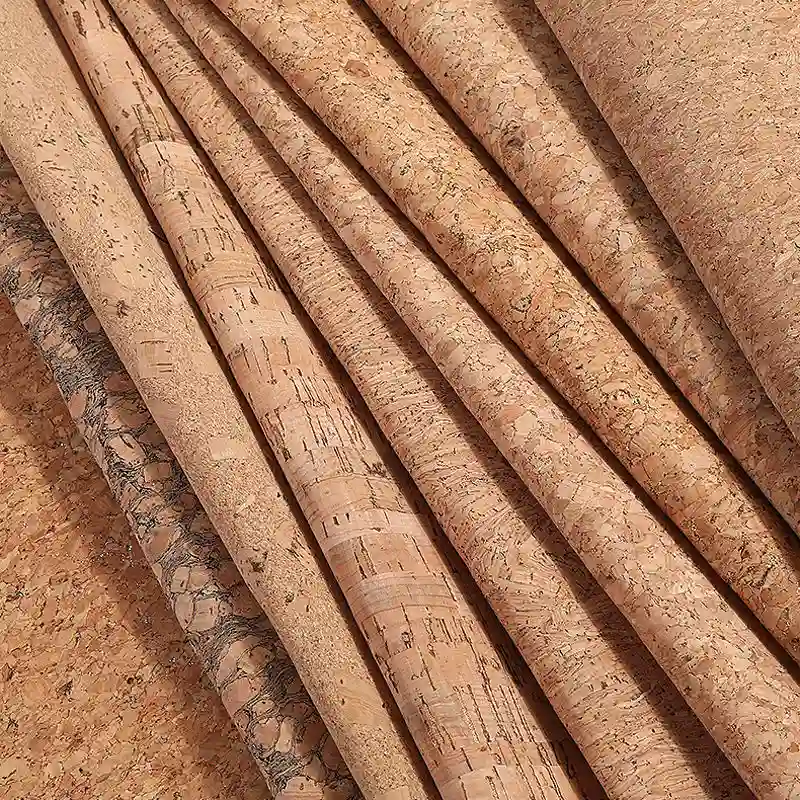
Cork Fabric
Cork fabric offers a distinctive natural texture and is commonly selected for niche, lifestyle and premium-looking accessories.
Its surface gives each design a recognizable organic appearance.
Applications may include:
Handbags, crossbody bags, wallets, card holders and fashion accessories.
Decorative & Specialty Materials
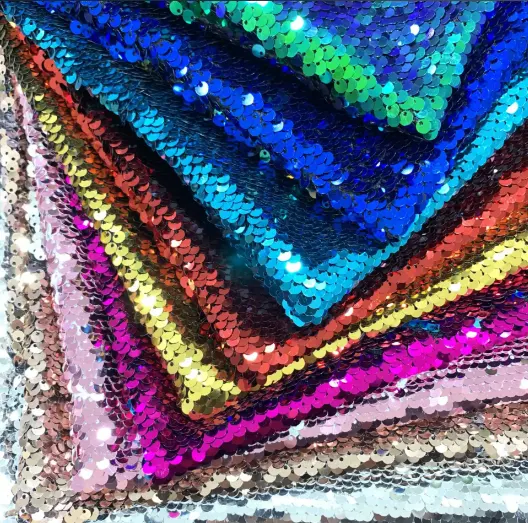
Sequin Fabric
Sequin materials use decorative elements attached to a textile base, often nylon or polyester mesh.
Different sequin sizes, arrangements and surface effects can create highly distinctive visual styles.
Typical applications include:
Evening bags, fashion clutches, girls’ bags, children’s accessories and decorative panels on casual products.
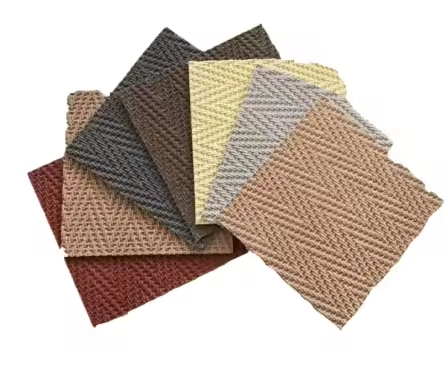
Woven Materials
Woven bag constructions may use natural materials such as rattan, bamboo or grass, or synthetic options such as polyester and PP rope.
They are particularly suitable for:
Beach bags, resort bags, casual totes, fashion handbags and retro-inspired collections.
Material choice changes not only durability but also the overall character and perceived value of the finished product.
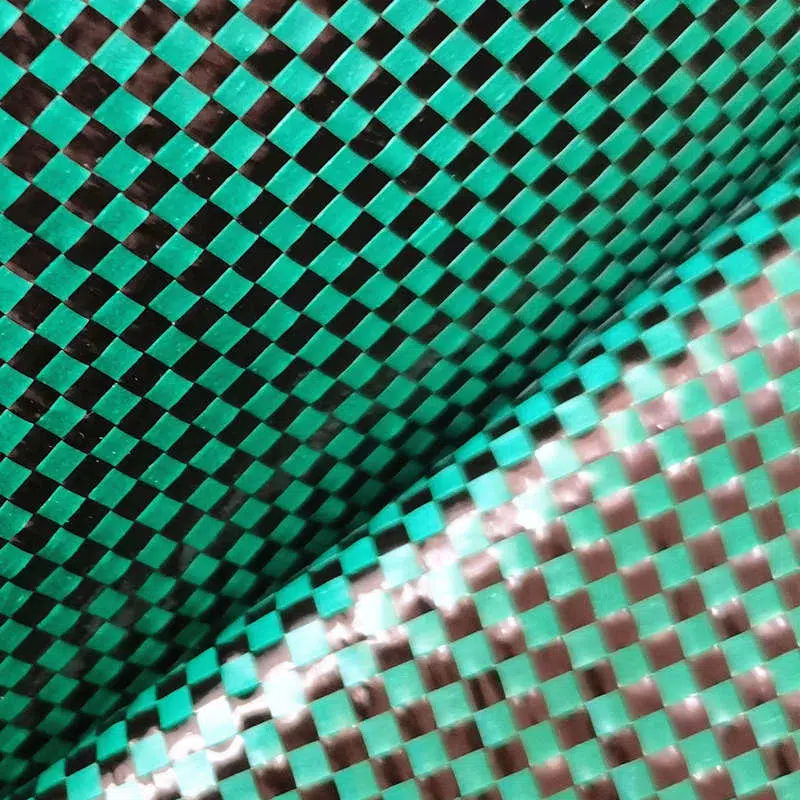
Woven Plastic Fabric
Woven plastic (aka ‘snake skin‘) constructions can use polypropylene (PP), polyethylene (PE), polyester or nylon depending on the desired product and surface effect.
Industrial constructions are commonly suited to:
Storage bags, reusable carrying products and tool bags.
More decorative printed, embossed or coated constructions can also be developed for fashion-oriented bags with stronger visual texture.
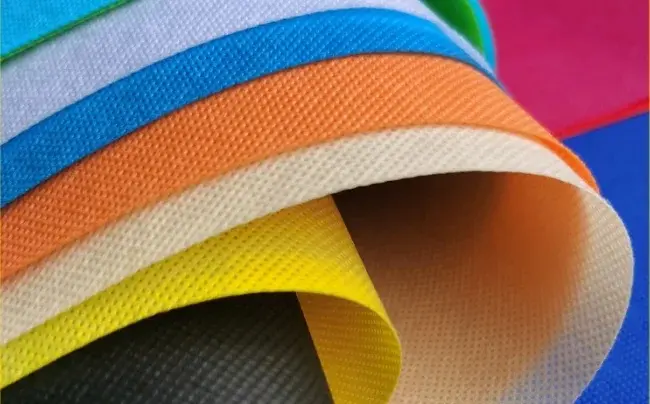
Non-woven Fabric
Non-woven fabric is a lightweight and cost-efficient material commonly used for bags where simple construction, low weight and volume production are important.
Depending on the fiber and manufacturing process, non-woven materials can be produced in different weights, colors and surface finishes.
Typical applications include:
Shopping bags, promotional bags, giveaway bags, packaging bags, garment bags and lightweight storage bags.
Match the Fabric to the Bag You Want to Manufacture
There is rarely one “best fabric” for every bag.
The right choice depends on what the finished product needs to do.
| Bag Project | Main Material Priorities | Materials Commonly Considered |
|---|---|---|
| Backpack | Durability, weight, abrasion resistance | Polyester, Nylon, RPET, Canvas |
| Laptop Bag | Structure, abrasion resistance, protection | Polyester, Nylon, Neoprene, PU |
| Travel Bag | Durability, carrying weight, easy maintenance | Polyester, Nylon, PU |
| Tote Bag | Appearance, hand feel, cost | Canvas, Polyester, RPET, Jute |
| Cooler Bag | Exterior durability and compatibility with insulated construction | Polyester, Nylon, RPET |
| Cosmetic Bag | Cleaning, appearance, flexibility | Polyester, PU, PVC, TPU, EVA, Velvet |
| Beach Bag | Water resistance, easy cleaning, style | Polyester, PVC, TPU, Woven Materials |
| Fashion Bag | Surface texture and brand positioning | PU, Leather, Velvet, Cork, Sequin |
| Storage / Tool Bag | Strength and cost efficiency | Heavy Polyester, Woven Plastic |
| Protective Bag | Application-specific protection | Neoprene, Fiberglass and technical materials |
The final specification should always be confirmed according to your design, construction and target performance.
Material Selection Is Part of Product Development
For B2B buyers, choosing the fabric should happen together with the bag design.
Changing a fabric can affect:
✅ Bag structure
✅ Sewing construction
✅ Edge finishing
✅ Printing or logo application
✅ Product weight
✅ Color appearance
✅ Water resistance
✅ Target price
✅ Packaging volume
✅ Overall brand positioning
This is why simply replacing one fabric with another does not always produce the same result.
Our goal is to help you find a material combination that works with the complete product.
From Fabric Selection to a Production-Ready Bag
Before confirming a logo solution, we review five practical factors.
Step 1: Tell Us About the Product
Share your bag type, dimensions, reference images, drawings or existing sample.
You do not need to know the exact fabric specification at this stage.
Step 2: Define the Performance Requirements
Tell us what matters most:
Durability, lightweight construction, water resistance, cushioning, transparency, premium appearance, recycled content, price or another requirement.
Step 3: Compare Suitable Materials
Based on the product and positioning, suitable material directions can be shortlisted for evaluation.
Step 4: Confirm Color, Texture & Construction
The fabric needs to work together with the lining, padding, hardware, zipper, webbing and other components of the bag.
Step 5: Develop the Sample
The selected materials are converted into an actual prototype so the overall appearance, structure and functionality can be evaluated together.
Step 6: Prepare for Bulk Production
Once the specification is confirmed, material requirements can be standardized for production and quality control.
What Should You Send Us for a Fabric Recommendation?
The more info you provide, the more accurately a material can be matched to your project.
You can send us below info:
✅ Bag type
✅ Product dimensions
✅ Reference image or drawing
✅ Intended use
✅ Preferred material, if known
✅ Preferred accessories
✅ Required color
✅ Logo or branding method
✅ Performance requirements
✅ Target order quantity
✅ Target market
✅ Target price range
Even if you only have a product idea, we can start from the application and work toward a suitable material direction.
Different Fabrics Applied to Products
We’re dedicated to elevating your brand! Our custom fabric manufacturing services are designed to transform your vision into exceptional bag.
Plus, leveraging your unique branding and fabric, we help you to craft distinctive products that captivate and sell.


Polyester Oxford Bag Types
Polyester Oxford bags are known for their durability, water resistance, and stylish appearance. Here are some common types:
Backpacks,Messenger Bags,Tote Bags,Duffel Bags,Laptop Bags,Travel Bags,Sling Bags, CoolerBags,Camera Bags,Drawstring Bags,tool bags, storage bags and etc.

Tyvek Bag Types
Tyvek bags, are known for their durability, lightweight nature, and water-resistant properties. Here are some common types of Tyvek bags:
Tote Bags,Messenger Bags,Backpacks,Crossbody Bags,Foldable Bags,
Pouches and Cases,Wallets and Cardholders,Wine Totes and lunch bags.
each offering unique features and benefits for different needs and preferences.

Neoprene Product Types
There are just a few examples of the diverse range of product types that utilize neoprene due to its unique properties and versatility:
Wetsuits,Neoprene Gloves and Boots,neoprene koozies,,Neoprene Knee Braces and Supports,Neoprene Laptop Sleeves,Neoprene Bags and Accessories,Neoprene Orthopedic Supports such as wrist braces, ankle braces, and back supports.
Frequently Asked Questions About Custom Bag Fabrics
Can you recommend a fabric if I do not know the material name?
Yes. Start by providing the bag type, intended use, reference image and target positioning. Material selection can then be narrowed down according to the actual product requirements.
Which is better for bags: polyester or nylon?
Neither material is automatically better.
Polyester is widely used because of its versatility and cost efficiency, while nylon is often considered when lighter weight, flexibility and abrasion resistance are important.
The correct choice depends on the bag.
What is the difference between PVC, TPU and EVA?
All three can be used in flexible or transparent bag applications, but they differ in hand feel, appearance, processing characteristics and cost.
The final choice should be made according to the product structure and target market rather than transparency alone.
Can recycled materials be used for custom bags?
Yes. RPET and other alternative material options can be considered for projects with recycled-material or sustainability requirements.
If the product requires specific environmental claims or certification, those requirements should be defined before material sourcing.
Can different materials be combined in one bag?
Yes.
Many bag designs combine several materials to achieve different functions. For example, the exterior, lining, reinforcement, padding and decorative panels may all require different specifications.
Does water-resistant fabric make the whole bag waterproof?
Not necessarily.
Overall water protection depends on more than the outer fabric. Seams, zipper construction, openings, coatings, lamination and manufacturing methods can all affect the finished bag.
Can you work from an existing sample?
Yes. An existing product, reference sample, drawing or specification sheet can be used to identify the required material direction and construction.