1. Market Analysis: Decoding the Modern School Bag Landscape
The 2026 global education market demands a radical shift from disposable fashion to high-performance sustainable utility. Launching a brand today requires a deep understanding of the competitive landscape where environmental governance is no longer an elective but a core requirement for entry. My 26 years in the bag manufacturing industry have shown that market leadership is now determined by the transparency of the supply chain and the carbon footprint per liter of carrying capacity.
1.1 Competitive Benchmarking: Which is the Number One School Bag Company?
Determining the market leader involves looking beyond sheer sales volume to assess influence in sustainability standards. While traditional giants still dominate the “big box” retail space, the title of the true industry leader shifts toward those pioneering circular manufacturing.
- Market Share vs. Impact: Companies that integrate rPET (recycled polyethylene terephthalate) into their entire catalog are outperforming those with single “green” collections.
- Regional Dominance: The European market shows a heavy preference for B-Corp certified manufacturers while the North American sector focuses on lifetime warranty models that reduce landfill waste.
- Operational Excellence: The number one company in this space must demonstrate a closed-loop system where old bags are collected and repurposed into new raw materials.
1.2 Defining Excellence: What are the Best Brands for School Backpacks and Their Eco-Strategy?
Identifying true market leaders requires a deep dive into the trade-off between structural durability and material ethics. To remain the preferred choice for discerning parents, brands must prove that tensile integrity isn’t sacrificed for sustainability.
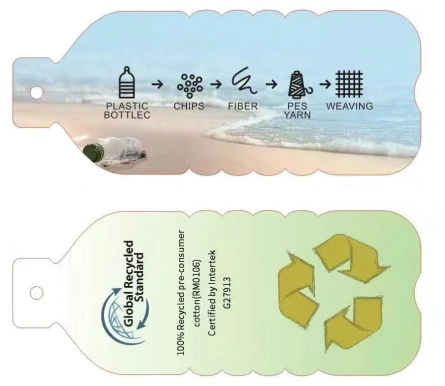
- Strategic Material Sourcing: Top brands utilize “Ocean-Bound Plastic” certifications to provide an emotional and functional narrative for their school backpacks.
- Longevity as a Service: The best brands for backpacks for school offer modular repair kits, effectively extending the product lifecycle to over five years and discouraging the “fast-fashion” cycle.
- Transparency Reports: Leading companies publish annual impact assessments detailing exactly how much water and CO2 were saved during the production of their school backpacks.
2. Material Revolution: The Foundation of Eco-Friendly Manufacturing
The pivot toward sustainability is fundamentally a chemical and textile engineering challenge. The performance-sustainability paradox has been solved. By utilizing high-tenacity polymers derived from 100% post-consumer waste, we’ve eliminated the structural fragility once associated with recycled fibers. We’re not just swapping materials; we’re delivering engineered resilience that holds up under extreme mechanical stress.
2.1 From Waste to Fabric: What is a School Bag Made of Today in the Green Era?
For any Brand Manager, understanding the structural anatomy of a modern backpack is the first step toward a successful launch. The transition from virgin nylon to high-performance recycled fibers isn’t just a material swap—it’s a complete overhaul of the manufacturing blueprint.
- Textile Composition: Engineering the fiber is what separates a premium launch from a seasonal failure. We leverage the synergy of rPET and PIR nylon to create a textile anatomy that balances tensile strength with superior abrasion resistance. For any brand manager, this high-tenacity composition is the only way to ensure eco-ethics don’t compromise product lifespan.
- Bio-Based Coatings: We have replaced toxic PVC and phthalate-heavy coatings with water-based TPU or solvent-free PU, ensuring the bag remains non-toxic for children.
- Natural Fiber Integration: High-end collections are re-engineering heritage textiles for the 2026 market. By reintroducing organic hemp and recycled cotton treated with high-performance paraffin or bee-wax, we achieve a vintage aesthetic that doesn’t compromise on modern weather-resistance. This combination delivers a tactile luxury with the rugged durability required for long-term utility.
To see the fascinating transformation from recycled plastic bottles to high-performance school bag fabric, watch this factory production overview:
2.2 Advanced Textiles: What Material are School Bags Made of to Ensure Durability?
Durability is the highest form of sustainability. If a bag fails, its environmental cost doubles when it must be replaced.
- Denier and Weave Optimization: We specify a minimum of 600D recycled polyester for the main body and 1680D for the base to ensure the bag survives the daily friction of school environments.
- Tear-Stop Technology: Modern recycled textiles incorporate a “Ripstop” grid pattern that prevents small punctures from becoming catastrophic failures.
- Colorfastness Without Chemicals: Solution Dyeing is our answer to the durability-sustainability paradox. By coloring the polymer melt before spinning, we achieve a 90% reduction in water waste and a fabric that is essentially immune to UV degradation. It’s a superior manufacturing blueprint for high-performance gear.
3. The Cultural Hybrid: Integrating Global Heritage with Sustainability
Modern sourcing is about more than just finding a factory; it’s about sourcing heritage and engineering. Merging the ergonomic wisdom of traditional designs with recycled industrial fibers creates a disruptive value proposition for the global market.
3.1 The Art of Longevity: Why are Randoseru Bags So Durable and Eco-Conscious?
The randoseru bag represents the pinnacle of “slow fashion” in the education sector. Originally designed for six years of continuous use, its engineering is a masterclass in structural sustainability.
- Structural Reinforcement: The use of internal PE (polyethylene) frames prevents the bag from collapsing, maintaining its shape and protecting the contents for over half a decade.
- Zero-Waste Craftsmanship: Performance is the only metric that matters in the school sector. We’ve transitioned to Clarino and GRS-certified recycled hides because they match the mechanical properties of traditional leather while optimizing for sustainability. These engineered synthetics are specifically designed to withstand six years of daily abrasion while drastically reducing the CO2-equivalent per unit.
- Repairability: True sustainability lies in repairability. We design the rivet placements and stitch patterns in our functional gear to be fully accessible for maintenance. It’s about creating a product that matures with the child, effectively eliminating the early-discard cycle.
3.2 Global Influence: What are those Japanese School Bags Called and How to Localize the Randoseru Bag?
Many Western brands ask, “What are those Japanese school bags called?” in an attempt to replicate their success. The answer is the Randoseru, and localizing this concept is a strategic pathway to a premium market launch.
- Naming and Branding: While the randoseru bag name is iconic, Western localization often focuses on the “Six-Year Guarantee” to communicate value.
- Weight Reduction: Ergonomics is the primary driver of our “Lite-Randoseru” series. We’ve successfully reduced the static load by integrating recycled aluminum reinforcements and energy-absorbing lightweight foams. This design maintains the biomechanical integrity of the traditional silhouette while significantly reducing spinal stress for students in the global curriculum.
- Functional Adaptation: Heritage meets health. In 2026, protection extends beyond digital assets to the student’s biomechanical integrity. Our re-engineered Randoseru chassis features tech-armor zones that stabilize heavy electronics, maintaining the bag’s center of gravity. We’ve turned a cultural icon into a protective shell that safeguards both the hardware and the spinal health of the digital generation.
4. Product Engineering: Designing the Ultimate Campus Rucksack
Launching a campus rucksack requires moving beyond aesthetic sketches into the realm of biomechanical engineering. A bag that is eco-friendly but ergonomically flawed will fail the market test. For discerning parents, spinal health and load distribution are non-negotiable—they prioritize their child’s physical well-being over any environmental claim.
4.1 Structural Integrity: The Anatomy of a Padded Straps Rucksack for Heavy Loads
While padded straps are the industry standard, the internal composition of the padding is where brands often cut corners. Low-density foam may feel soft in the showroom, but it lacks the compression set resistance required for heavy-duty use. For PMs, choosing a high-resiliency (HR) EVA or open-cell foam is the only way to prevent strap collapse after six months of wear.
- Density over Thickness: We utilize high-density EVA foam instead of cheap open-cell sponge. EVA retains its loft for years, ensuring that the padded straps rucksack continues to distribute weight effectively long after the warranty expires.
- Load Distribution Hardware: Integrating sternum straps and load-lifters allows the weight to be shifted toward the wearer’s center of gravity, reducing the perceived load by up to 25%.
- S-Curve Ergonomics: Our straps are engineered with a dual-contour S-shape that follows the natural line of a child’s shoulders, preventing the “choke point” common in straight-strap designs.
4.2 Anatomical Support: Engineering a Brain Bag that Prioritizes Spinal Health
The Brain Bag concept refers to a rucksack designed with the same intelligence as the curriculum it carries. It focuses on the “Load-to-Spine” ratio to prevent long-term postural issues.
- Internal Organization: By placing the heaviest items—laptops and textbooks—in a dedicated sleeve against the back panel, the Brain Bag ensures the center of gravity remains close to the body.
- Ventilated Back Panels: To tackle the critical issue of microclimate buildup, we utilize 3D molded mesh with deep longitudinal air channels. This architecture isn’t just for aesthetics; it facilitates active ventilation to prevent heat accumulation, ensuring the Brain Bag maintains thermal comfort even during high-intensity commutes.
- Base Stability: Structural integrity begins at the foundation. We utilize a high-density reinforced base to provide a stable, upright stance. Beyond convenience, this effectively eliminates the tip-over cycle that leads to premature textile wear and soil accumulation. It’s a simple engineering fix for a major durability headache.
5. Segment-Specific Strategy: Targeting the High School Demographic
High school students represent a transition point where peer influence and individual identity drive purchasing decisions. A sustainable brand must offer a “cool” factor that makes eco-friendly choices socially desirable.
5.1 Beyond Aesthetics: What Does Every High School Girl Need in a Sustainable Pack?
To capture this demographic, we must address the specific organizational and stylistic needs of the modern student.
- Discreet Compartmentalization: In the high school sector, storage is about protection and privacy. We’ve moved past the “one-main-compartment” era. By engineering dedicated fleece-lined tech pockets and discreet internal sleeves, we address the dual needs of modern students: safeguarding expensive hardware and respecting personal boundaries.
- Customization Potential: Sustainable bags for this segment should feature “patch-friendly” recycled fabrics, allowing students to personalize their gear without compromising the bag’s integrity.
- Versatile Volume: High school schedules vary between light study days and heavy sports days; therefore, integrated compression straps allow the bag to remain sleek or expand as needed.
5.2 Trending Silhouettes: Why the Messenger Bookbag and Messenger Bag are Reclaiming the Market
While backpacks remain the volume leader, the messenger bag and messenger bookbag are seeing a resurgence among older students seeking a more professional or “academic” aesthetic.
- The Messenger Bookbag Appeal: It provides quick-access “on-the-go” utility that a backpack cannot match, particularly for students who move between classrooms frequently.
- Structural Improvements: Modern messenger bags now include cross-body “stabilizer” straps that prevent the bag from swinging forward during cycling or walking.
- Material Selection: We utilize heavy-duty recycled canvas for the messenger bookbag, providing a heritage look that conceals high-tech internal organization.
6. Functional Versatility: Launching the 3-Way Bag Concept
The 3-way bag is the ultimate expression of sustainable consumption through versatility. By providing one product that fulfills three roles, we reduce the consumer’s need for multiple purchases, aligning perfectly with “minimalist” eco-trends.
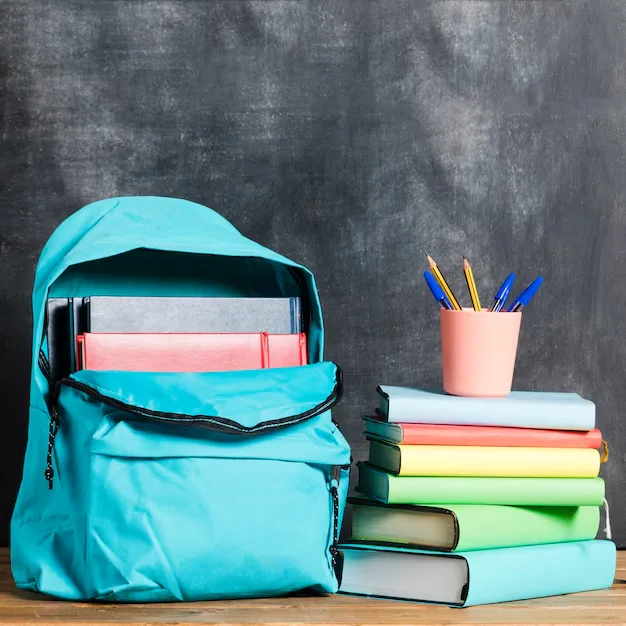
6.1 Multi-Mode Engineering: What is a 3-Way Bag and Why It Reduces Consumption?
In 3-way engineering, the hardware is the single point of failure. To function as a backpack, shoulder bag, and briefcase, we utilize high-tensile zinc alloy or nylon-6 hardware that survives constant mode-switching. It’s about mechanical cycle-testing to ensure the transitions remain fluid and secure for years of professional use.
- Stowaway Systems: We design hidden zippered compartments where the backpack straps can be completely tucked away, transforming the silhouette instantly into a professional tote.
- Swivel Hardware: Using 360-degree swivel clips ensures that the shoulder strap never tangles, a minor engineering detail that significantly improves the user experience.
- Orientation-Independent Pockets: Inside a 3-way bag, pockets are often oriented at 45-degree angles or feature dual-access zippers to ensure contents are reachable whether the bag is held vertically or horizontally.
6.2 Adaptive Design: Transforming a Book Bag from Backpack to Tote for After-School Activities
The transition from school to extracurricular activities often requires a change in carrying style.
- The Convertible Book Bag: By integrating side-grab handles and a removable shoulder strap, a standard book bag can be carried as a tote for sports or social gatherings.
- Expandable Gussets: Many of our book bag designs include hidden pleats that can be unzipped to provide an extra 5 liters of space for gym gear or art supplies.
- Aesthetic Neutrality: A successful convertible book bag avoids overly “kiddy” prints, opting for sophisticated, monochromatic recycled fabrics that look appropriate in any environment.7. Tech-Integrated Sustainability: The Rise of the Smart Academic Pack
- Rethinking the school bag as a mobile tech-hub. In 2026, we’ve moved beyond simple storage to integrated hardware protection. By engineering fleece-lined suspended sleeves and precision power-pass-throughs, we create a high-tenacity blueprint that safeguards expensive digital tools against the constant kinetic stress of the modern campus.
7.1 Renewable Energy: Launching the Solar Charging Backpack for Off-Grid Learning
In 2026, mobile power is a functional requirement, not a luxury. We’ve re-engineered the solar backpack blueprint for maximum durability in high-mobility environments. By utilizing ETFE-laminated photovoltaic panels and precision-stabilized voltage controllers, we provide a rugged energy solution that ensures mission-critical learning tools stay powered even where traditional grids fail.
- Integrated Photovoltaics: We utilize flexible, thin-film solar panels that are CIGS-certified, allowing the solar charging backpack to remain lightweight and durable.
- Power Management: These bags include a dedicated, fire-safe internal pocket for power banks with integrated USB-C routing, allowing devices to charge securely while the student is in transit.
- Weather Shielding: The solar elements are encapsulated in UV-resistant recycled ETFE, ensuring the solar charging backpack continues to function even in harsh environments.
7.2 Device Protection: Sourcing Recycled Shock-Absorbents for the Tech-ready Backpack
A tech-ready backpack is only as good as its drop-test rating. Protecting expensive tablets and laptops is a primary concern for parents.
- Recycled Protective Materials: We utilize “Re-Foam” technology—a shock-absorbent material made from recycled industrial scraps—to line the laptop compartment.
- Suspended Cradle Design: In a high-quality tech-ready backpack, the laptop sleeve is “suspended” 2cm above the bottom of the bag, ensuring that if the bag is dropped, the device never makes contact with the ground.
- Anti-Static Linings: We use recycled polyester linings treated with an anti-static finish to protect sensitive circuit boards from static discharge.
8. Safety and Social Impact: The Anti-Bully Safety Bag Initiative
In 2026, a school bag’s value is measured by its contribution to a student’s well-being. The Anti-Bully Safety Bag initiative focuses on features that provide security, visibility, and psychological peace of mind.
8.1 Protective Hardware: Integrating Reflective and Non-Lethal Deterrents in an Educational Bag
An educational bag should actively contribute to a safe learning environment.
- 360-Degree Visibility: We integrate retro-reflective glass bead piping into the seams of the educational bag, ensuring the student is visible from all angles during low-light commutes.
- Discreet Safety Alarms: Some educational bag models feature a hidden pull-cord on the shoulder strap that activates a high-decibel personal alarm to deter harassment or signal for help.
- RFID Shielding: To protect student IDs and personal data, we include RFID-blocking fabric in the front organizer pockets.
8.2 Weather Resistance: Engineering a Waterproof Commuter Bag for Extreme Climate Resilience
Climate change has made unpredictable weather the new norm, making a waterproof commuter bag a necessity rather than an option.
- Seam-Sealing Technology: Unlike standard bags, a waterproof commuter bag features heat-welded seams or internal waterproof taping that prevents water ingress through needle holes.
- Roll-Top Closures: We utilize roll-top designs for maximum water protection, as zippers are the most common point of failure in heavy rain.
- PFAS-Free DWR: Our waterproof commuter bag is treated with a vegetable-based water repellent that is 100% free from “forever chemicals,” ensuring the bag is safe for both the user and the water cycle.
9. Supply Chain & Customization: The Uniform-matching Bag Strategy
B2B opportunities with educational institutions provide a stable volume base. Developing a uniform-matching bag allows schools to maintain a cohesive brand identity while ensuring students use high-quality, ergonomic gear.
9.1 B2B Collaboration: How to Pitch a Uniform-matching Bag to International Private Schools
Selling to schools requires a focus on professional standards and long-term partnership.
- Color Matching Accuracy: We utilize Pantone-certified recycled yarns to ensure the uniform-matching bag perfectly aligns with the school’s official colors.
- Embroidery and Branding: Our facility offers low-impact embroidery using recycled threads, allowing for high-definition school logos that do not peel or fade.
- Wholesale Durability: Because these bags are issued by the school, we engineer them for extreme longevity to minimize the administrative burden of handling replacements.
9.2 The “Cute” Factor: Launching the Pencil Bag Cute with a Panda for Middle School Without Stuff in It
Accessories provide an entry point for younger students. A pencil bag cute with a panda for middle school without stuff in it serves as a perfect brand ambassador.
- Eco-Friendly Cuteness: Using recycled plush fabric, we can create character-based designs that satisfy the “cute” requirement without the environmental guilt.
- Zero-Waste Manufacturing: We often produce these pencil bags using remnant fabric from larger backpack production runs, achieving a 98% material utilization rate.
- Minimalist Logistics: By selling the pencil bag cute with a panda for middle school without stuff in it as a standalone accessory, we allow parents to build a coordinated sustainable set over time.
10. Consumer Education: Ranking and Recognition
Transparency in rankings is the only way to build trust in an era of “greenwashing.” Consumers need to know exactly how products are evaluated to make informed decisions.
10.1 Industry Leadership: What are the Top 10 Backpack Brands Leading the ESG Movement?
We track the top 10 backpack brands to benchmark our own environmental, social, and governance (ESG) performance.
- Transparency Benchmarks: The top-ranked brands are those that disclose their entire factory list and raw material origins.
- Innovation Leaders: We analyze which of the top 10 backpack brands are moving beyond rPET into bio-polymers and mushroom-based leathers.
- Community Impact: Rankings are increasingly influenced by a brand’s “Give Back” programs, such as donating a bag for every one sold.
10.2 Quality Assurance: What are the Best Bags for School to Invest in for a 5-Year Lifecycle?
To answer “What are the best bags for school?”, one must look at the cost-per-year rather than the initial price.
- Quality Metrics Table
| Component | Minimum Standard | Professional Eco-Standard |
|---|---|---|
| Fabric | 210D Polyester | 600D Recycled Ripstop |
| Zippers | Generic Nylon | YKK Recycled Natulon |
| Padding | Open-Cell Foam | Closed-Cell EVA |
| Hardware | Virgin Plastic | Recycled Acetal |
- Investment Philosophy: The best bags for school are those that offer a modular design where high-wear parts like buckles and straps can be easily replaced.
- Consumer Testing: We encourage brands to use real-world “playground testing” data to validate their 5-year lifecycle claims.
11. Conclusion: The Future of Sustainable Academic Carry
The future of the school bag industry is not just about being “less bad” but about being “actively good.” We are moving toward a restorative model of manufacturing.
11.1 Balancing Innovation and Responsibility: Transforming Hardware and Fabric into a Competitive Edge
A brand’s competitive edge in 2026 lies in its ability to fuse high-tech innovation with deep environmental responsibility.
- Technical Synergy: When you combine a solar charging backpack with recycled materials, you create a product that is both functionally superior and ethically sound.
- Hardware Innovation: We are now sourcing buckles and sliders made from recycled fishing nets, proving that every single component of the bag can contribute to a circular economy.
- The Trust Factor: Ultimately, the success of an eco-friendly launch depends on the brand’s ability to prove its claims through rigorous third-party certifications.
11.2 Final Verdict: Why Longevity is the Ultimate Form of Sustainability in the School Backpacks Market
In the final analysis, the most sustainable school backpacks are the ones that never reach the landfill.
- The Durability Mandate: As a factory with 26 years of experience, we have seen that the only way to truly protect the planet is to build products that last.
- Shifting Consumer Habits: We must move consumers from a mindset of “buying cheap and often” to “investing high and seldom.”
- Industry Call to Action: The goal for the next decade is to ensure that every academic pack produced is 100% recyclable at the end of its (very long) life, closing the loop once and for all.