1. What Defines the Best Cat Carrier?
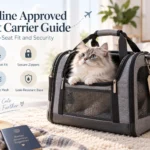
Selecting a best cat carrier requires balancing animal behavioral science with durable material engineering. A poorly designed enclosure increases feline stress, which makes veterinary visits and transit difficult for both pets and handlers. Engineering a superior transport solution demands a deep understanding of animal psychology and structural mechanics. Modern manufacturing standards dictate that every protective shell must absorb external shock while offering internal cushioning for the traveling feline. Sourcing professionals evaluate how advanced polymer compounds and high-tensile weaving configurations interact to provide maximum physical defense during high-velocity transport conditions across diverse international supply chain corridors.
-
Matching Real-World Use Cases: Evaluating the tension between veterinary visits, air transit, and everyday urban commuting helps define the precise specifications of a best cat carrier.
-
Separating Core Functionality: Prioritizing structural integrity, escape-proof locks, and airflow geometry over superficial aesthetic attachments ensures maximum product safety.

2. Product Types and Best-Fit Use Cases
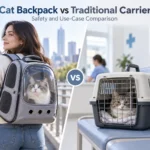
Different transit scenarios dictate distinct structural requirements across the entire product catalog. Comparing soft-sided variants against rigid polymer shells reveals critical performance gaps in modern transport solutions. Sourcing managers must evaluate how various frame architectures impact retail distribution strategies and ultimate consumer satisfaction across global export markets. Furthermore, analyzing multi-purpose conversion systems allows procurement teams to identify unique product positioning opportunities that capture high-margin retail segments seeking versatile lifestyle utility.
-
Evaluating Variant Performance: Evaluating soft-sided variants against rigid polymer shells defines the market gap for a high-performance cat carrier bag and a rugged cat travel carrier.
-
Mapping Duration Metrics: Mapping duration metrics to structural requirements ensures optimal animal comfort during multi-hour transit schedules.

3. Structural Stability and Load Engineering of Best Cat Carrier
Maintaining internal floor stability prevents animal anxiety and protects the handler’s ergonomic balance. A quality enclosure must resist gravitational sagging under continuous pet movement. Advanced load distribution formulas ensure that heavy-duty soft carriers maintain their rigid geometry even when subjected to shifting animal weight during transit. Structural engineering teams utilize precision computer-aided drafting software to simulate gravitational pull dynamics and optimize skeletal rib placement along internal side panels.
-
Preventing Floor Sagging: Integrating multi-layer rigid base boards and memory-resin frames maintains a flat, secure walking surface inside a sturdy cat carrier.
-
Maintaining Chassis Rigidity: Engineering the internal core prevents the walls from collapsing inward during multi-directional movement.

4. Feline Behavior and Entry Style Optimization
Minimizing directional resistance during the loading process transforms a stressful veterinary trip into a calm experience. Spatial geometry directly influences animal entry cooperation. Innovative spatial layouts leverage feline instincts to create an inviting environment rather than a confining spatial trap that triggers defensive aggression. Behavioral insights confirm that eliminating horizontal tunnel vision reduces heart rate spikes and prevents cats from anchoring their claws into fabric entry seams.
-
Leveraging Vertical Loading: Eliminating directional resistance by dropping reluctant cats vertically rather than horizontally defines the primary advantage of a top loading cat carrier.
-
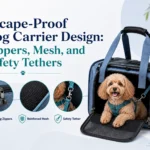
Balancing Access Geometry: Balancing front, top, and side zippers gives handlers flexible intervention points without triggering feline panic.

5. Material Science: Selecting the Right Soft Cat Carrier Textiles
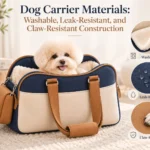
Material selection dictates tactile comfort, thermal regulation, and long-term durability across all retail deployments. The correct textile combination creates a secure den-like environment. Selecting high-performance fibers ensures that exterior abrasion resistance matches interior softness to fulfill consumer expectations. Technical textile testing protocols measure tear propagation resistance and ultraviolet degradation limits to guarantee extended field performance under demanding commercial deployment cycles.
-
Balancing Denier Performance: Balancing tear resistance with tactile flexibility creates a comforting, den-like environment inside a soft cat carrier.
-
Resisting Claw Punctures: Sourcing vinyl-coated steel mesh resists puncturing while allowing strategic visibility and airflow modulation.

6. Ventilation, Airflow, and Environmental Control
Keeping the interior microclimate comfortable is critical for cutting down sensory overload and preventing heat exhaustion when navigating packed terminals or warm-weather routes. A top-tier cat carrier bag relies on advanced thermodynamic engineering to maintain a steady, high-volume airflow exchange, keeping stale air and dangerous heat spikes at bay. Modern manufacturing uses targeted fluid dynamics modeling to map out vent placements, ensuring maximum cross-breeze efficiency without sacrificing the structural integrity of the shell.
-
Calculating Ventilation Ratios: Calculating cross-ventilation ratios prevents carbon dioxide buildup and heat stress during summer transits.
-
Blocking External Stimuli: Incorporating roll-up canvas privacy flaps blocks over-stimulating external stimuli and calm nervous cats.

7. Cleanability and Hygiene Management of Best Cat Carrier
Hygiene maintenance directly impacts product lifespan and user satisfaction across repeated rental or personal use cycles. Spills and motion sickness require instant cleanup solutions. Advanced waterproof treatments protect structural support components from moisture degradation and lingering biological odors over years of service. Seamless interior welding techniques eliminate traditional needle puncture holes where microscopic fluids could otherwise penetrate and foster bacterial growth over time.
-
Managing Fluid Spills: Integrating wipe-clean PEVA inner layers and machine-washable fleece mats handles motion sickness and spills instantly.
-
Sealing Interior Seams: Preventing fluid seepage into core structural foams occurs through ultrasonic edge binding and waterproof thread applications.

8. How to Evaluate Factory Durability and QC
Rigorous quality control protocols ensure that mass-produced transport gear withstands intense commercial distribution channels. Factory testing validates structural endurance before retail launch. Systematic stress evaluations confirm that production batches comply with international engineering thresholds. Automated tension testing rigs apply millions of cyclic pull cycles to zipper assemblies and strap anchor points to certify absolute commercial reliability before container loading.
-
Executing Stress Simulations: Executing rigorous cyclic pull-force tests and drop simulations verifies long-term assembly integrity.
-
Monitoring Batch Consistency: Rigorous quality audits protect brand reputation against zipper blowouts and hardware detachment during retail deployment.
9. OEM Design and Customization for Brands
Collaborating with specialized manufacturing partners transforms raw creative concepts into market-ready retail merchandise. Technical execution bridges the gap between digital design files and physical inventory. Strategic supply chain integration ensures seamless scaling from initial prototyping to containerized commercial shipments. Direct engineering consultations streamline component sourcing to reduce production lead times and maintain aggressive wholesale pricing structures for emerging global pet brands.
| Structural Component | Material Specification | Engineering Function |
| Base Support Board | Rigid Polyethylene (PE) Sheet | Eliminates gravitational floor sagging |
| Internal Skeletal Ribs | Spring-Steel Wire / Fiberglass Rods | Maintains chassis rigidity under load |
Frequently Asked Questions (FAQ) About Best Cat Carrier
-
What type of best cat carrier do cats prefer?
Cats thrive in dark, den-like enclosures with slip-resistant floors and multiple access points that limit visual triggers and ease transit stress. Adding a familiar blanket preserves scents, underscoring why precision-built pet transport is essential for anxious felines.
-
Is a top loading cat carrier better for cats?
Top-loading carriers are significantly better for veterinary visits because they allow handlers to lower reluctant cats vertically without a struggle. This vertical placement method eliminates the defensive resistance cats exhibit when pushed horizontally into dark tunnels. Vets can also examine the animal easily through the open top panel, making any preferred cat carrier vastly more efficient.
-
How much room should a cat have in a cat carrier?
A cat carrier must provide enough interior space for the animal to stand up, turn around completely, and lie down comfortably. Sourcing standards recommend ensuring at least two to three inches of clearance above the cat’s head and around its body. Proper proportional sizing prevents physical cramping and severe stress during transit across every unique best cat carrier design.
-
Are a soft cat carrier and other options safe?
Soft cat carriers are completely safe for calm cats when utilized within their specified weight limits and secured with internal safety tethers. High-quality soft models feature self-locking zippers, claw-resistant mesh, and rigid base boards to prevent structural collapse. However, every standard cat carrier lacks the rigid impact protection of hard plastic shells during severe vehicle accidents.
-
How do I reduce best cat carrier anxiety?
Reducing cat carrier anxiety involves leaving the carrier open in the living room as a permanent resting bed with familiar bedding inside. Spraying synthetic feline facial pheromones thirty minutes before travel creates a calming environment. Placing a lightweight blanket over the mesh windows also blocks stressful visual stimuli during transit with your chosen cat carrier.
-
What makes a best cat carrier sturdy?
A cat carrier becomes sturdy through the integration of thick polyethylene base boards, internal spring-steel wire frames, and multi-layer high-denier oxford fabrics. These structural elements prevent gravitational floor sagging and keep the side walls from collapsing inward under weight. Robust box-X stitching at all strap junctions guarantees long-term durability for any premium cat carrier.