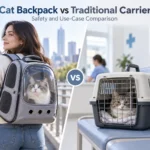
1. Material Physics and Structural Foundations: Soft Sided Cat Carrier Versus Hard Sided Cat Carrier
Polymer injection molding differs fundamentally from multi-layer textile tension when engineering a soft sided cat carrier or a hard sided cat carrier. Hard shells lean on high-density thermoplastics to build a rigid shield that shrugs off crushing weight. Soft architectures rely on high-tensile woven polyesters pulled tight over internal skeletal frames to keep their shape under pressure. Material memory and yield strength dictate how enclosures handle accidental drops. Rigid plastic snaps and warps under sudden impacts, whereas flexible fabric rigs soak up and scatter that kinetic shock through elastic give. OEM engineers play with those physical traits to dial in the right mix of protection and price across different retail tiers. Understanding these material differences is an essential step in any best cat carrier guide, especially when evaluating safety, durability, and real-world travel performance.
-
Thermoplastic Rigidity: Molded ABS shells deliver impenetrable static protection against crushing loads.
-
Textile Elasticity: Woven polymer panels absorb dynamic transit vibrations effectively.
-
Impact Dissipation: Flexible frameworks prevent shock transmission to internal animal occupants.

2. Environmental Scenario Mapping: Matching Chassis Rigidity to Travel Demands
Flexible soft sidewalls compress under airline seat bars, optimizing confined cabin space and aisle maneuverability. For brands developing an airline approved cat carrier, structural flexibility must be balanced with frame stability to meet under-seat dimensions and passenger cabin requirements. Rigid travel boxes provide structural security in unpredictable cargo hold environments where heavy baggage shifting occurs. Animal weight thresholds dictate structural deflection limits across transit environments to prevent catastrophic collapse. Clinical settings require non-porous surfaces withstanding aggressive chemical sanitization. Sourcing managers align chassis specifications with travel use cases to maximize consumer satisfaction.
-
Under-Seat Compressibility: Flexible sidewalls adapt seamlessly to restrictive airline space limits.
-
Cargo Hold Defense: Rigid polymer boxes withstand severe baggage stacking pressures.
-
Load-Balancing Strength: Reinforced bottom boards prevent sagging under heavy feline weights.

3. Performance Engineering for the Modern Soft Cat Carrier
Engineering high-denier ballistic weaves maintaining structural integrity without feeling abrasive defines a quality soft cat carrier. Micro-movements in the enclosure dampen vibration shock transmitted from vehicle floors to lower transit stress. High-density internal padding cushions sudden physical movements while preserving ventilation pathways. Sourcing teams evaluate tear strength, abrasion resistance, and tactile comfort simultaneously during prototyping. Precision pattern cutting ensures soft-walled enclosures maintain engineered shapes throughout commercial use cycles.
-
Ballistic Durability: High-denier exterior weaves resist claw punctures and environmental wear.
-
Tactile Softness: Brushed interior linings provide a stress-free environment for felines.
-
Vibration Damping: Compliant sidewalls isolate animals from harsh vehicle motion shocks.

4. Industrial Durability: The Structural Role of a Hard Sided Cat Carrier
A traditional hard cat carrier withstands stacking pressure and rough baggage handling routines through heavy-impact protection in cargo environments. Non-porous molded plastics remain the gold standard for veterinary quarantine wards requiring harsh disinfectant protocols. Rigid thermoplastic assemblies eliminate fabric crevices where pathogens and odors accumulate. Sourcing heavy-duty steel door latches ensures secure animal containment during aggressive transit conditions. Molded polymer transport boxes deliver decades of reliable service life in professional applications.
-
Stacking Resilience: Curved polymer shells distribute heavy cargo compression loads evenly.
-
Chemical Resistance: Non-porous plastics endure aggressive industrial disinfectant washdowns.
-
Pathogen Control: Smooth molded interiors prevent bacterial harboring in clinical environments.

5. Compact Logistics: Foldable Innovations and Cat Travel Bag Versatility
Overcoming structural weakness in modern foldable cat carrier lines through reinforced corner locking joints ensures zero-failure collapsible walls. Integrating detachable trolley sleeves, expandable side domains, and utility pockets transforms transit gear into a multi-purpose cat travel bag. Foldable engineering significantly reduces retail shipping volume and household storage footprints. Sourcing durable mechanical hinges and positive-locking frames guarantees collapsible enclosures remain rock-solid during transport.
-
Positive-Locking Hinges: Precision latches secure collapsible sidewalls against accidental folding.
-
Storage Efficiency: Foldable engineering minimizes warehousing and retail shipping space requirements.
-
Modular Versatility: Expandable compartments transform basic carriers into comprehensive travel luggage.

6. Internal Skeletal Systems: Anatomy of a Structured Cat Carrier
Internal resin skeletons prevent vertical collapse under heavy loads, filling content gaps through memory-resin frames and PEVA-coated internal panels. Deploying ultrasonic-welded waterproof sub-bases and removable fleece pads protects structural foam cores in a premium structured cat carrier. Sourcing engineers embed composite skeleton rods within protective fabric channels distributing downward weight evenly. This internal framing architecture provides hard-shell rigidity combined with soft-bag portability.
-
Resin Skeletal Support: Composite framing rods prevent vertical cabin collapse under heavy weight.
-
Moisture Protection: PEVA-coated internal panels shield structural boards from liquid damage.
-
Ultrasonic Seam Sealing: Heat-welded waterproof sub-bases guarantee absolute fluid containment.

7. Production Cost Architecture: Materials, Tooling, and Component Economics
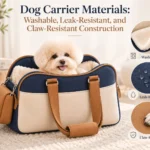
Analyzing capital expenditure thresholds between aluminum mold tooling for hard shells and precision cut-sew lines for soft goods drives production cost architecture. Smart component choices protect brand margins across wholesale and DTC. Selecting the right cat carrier materials also influences manufacturing complexity, ventilation performance, durability expectations, and final retail positioning. Injection molding demands high upfront tooling costs for low per-unit expenses at scale. Soft-goods manufacturing relies on automated stitching lines that keep startup costs low and design flexibility high.
Manufacturing MetricSoft-Goods Cut-and-Sew LinesMolded Thermoplastic InjectionInitial Tooling CapitalLow (Digital patterns & cutting dies)High (CNC-machined multi-ton aluminum molds)Production ScalabilityModerate (Labor-intensive assembly)Maximum (Automated high-speed cycle output)

8. Quality Assurance Protocols for OEM Brand Partners
Turning technical spec sheets into factory blueprints comes down to nailing pre-production tolerances for sizing, weight balance, and stitch density on every soft sided cat carrier. Working with an experienced cat carrier bag manufacturer ensures that engineering specifications are accurately translated into reliable production standards through professional pattern development, material control, and manufacturing expertise. Running rigorous drop tests, zipper burst checks, and strap pull-strength audits before container loading is the only way to lock down flawless quality control. Sourcing partners enforce multi-stage inspections right across the cutting, sub-assembly, and packing lines. Sticking strictly to those manufacturing standards keeps recall risks off the table and builds bulletproof brand trust.
-
Digital Tech Packs: Comprehensive blueprints establish strict millimeter-accurate manufacturing tolerances.
-
Cyclic Stress Testing: Mechanical assays simulate years of aggressive consumer wear and tear.
-
Batch Validation: Pre-shipment inspections guarantee zero-defect wholesale commercial output.
Custom Soft and Hard Cat Carrier Manufacturing
As an experienced pet carrier manufacturer, Aimazing supports OEM and ODM projects including custom materials, structures, branding, packaging and production solutions.
Request Custom Cat Carrier Solution
9. Strategic SKU Planning and Compliance Verification
Guiding brand developers on selecting the right mix of soft sided cat carrier and hard sided cat carrier models for a balanced catalog optimizes strategic SKU planning and compliance verification. Ensuring marketing collateral reflects true laboratory-tested capacities without unsupported structural guarantees safeguards brand equity. Product portfolio managers analyze retail channel data determining optimal size configurations. Establishing verified compliance documentation protects brand partners from regulatory liabilities and customs seizures.
-
Catalog Diversification: Curated SKU mixes serve distinct consumer segments and retail channels effectively.
-
Regulatory Compliance: Laboratory-tested safety certifications protect brands from legal and customs liabilities.
-
Brand Equity Protection: Transparent technical documentation builds lasting consumer trust and commercial credibility.
Frequently Asked Questions (FAQ)
-
Do vets prefer hard or soft cat carriers?
Veterinarians often prefer hard-sided cat carriers because the top shell can be completely removed, allowing nervous cats to remain inside the stable bottom half during clinical examinations. This modular design eliminates the stress of forcibly pulling a frightened animal out of a narrow fabric opening. However, high-end soft carriers with wide-opening top portals are increasingly accepted when structured with rigid internal framing.
-
Can cats claw through soft carriers?
Cats aren’t tearing their way out of a decent soft-sided carrier when it’s built with heavy-duty ballistic nylon and vinyl-coated steel wire mesh. Standard consumer-grade mesh gets shredded in seconds by an anxious cat, which is why commercial OEMs switch to puncture-resistant PVC-coated polyester to keep Houdini pets locked down securely.
-
Which carrier is easier to clean?
Hard sided cat carriers are easy to clean. You can simply hose down the molded plastic shells scrub them hard and apply disinfectants. Soft bags need a little care.. Newer soft bag cat carriers, with removable waterproof PEVA floor liners and machine‑washable fleece pads make it surprisingly easy to keep them clean.
-
Are hard sided cat carriers allowed in airplane cabins?
Hard-plastic crates rarely fly in the cabin because those rigid walls won’t budge an inch when you try to cram them under a passenger seat. Commercial airlines stick strictly to flexible, soft-sided carriers that give under seat pressure while still holding enough internal headroom to keep the animal comfortable.
-
Can soft carriers collapse on a cat?
Unreinforced soft carriers can sag or collapse inward under heavy weight or luggage pressure, but premium structured carriers prevent this hazard by utilizing internal memory-resin frames and semi-rigid PEVA floor boards. Sourcing high-density composite framing ensures the upper cabin maintains safe vertical headroom during transit.
-
Which type is better for anxious cats?
Soft‑sided carriers are usually a lifesaver for cats because soft‑sided carriers have flexible fabric walls that soak up car vibrations and muffle loud car noises far better, than hard plastic crates. Soft‑sided carriers also have mesh windows so owners can slip a hand in to comfort nervous cats without unzipping the whole main compartment.
-
What is the weight limit for soft cat carriers?
Soft cat carriers typically accommodate pets weighing up to 20 pounds, provided the unit is engineered with continuous-loop webbing cradles and a reinforced bottom base board to prevent sagging. Always verify the manufacturer’s dynamic load ratings before transporting heavy feline breeds.
-
How do I choose between a soft and hard sided cat carrier for OEM production?
Choosing between a soft and hard cat carrier for OEM production depends on your target retail channels, target consumer demographics, and initial capital tooling budget. Hard shells require high upfront injection mold investments but offer low unit costs at scale, whereas soft goods require lower tooling setup costs but involve more labor-intensive cut-and-sew assembly lines.